Art & Crafts Program
Creative Expression & Skill‑Building for NDIS Participants
PROGRAM OVERVIEW
The Arts & Craft Program provides a calm, supportive environment where NDIS participants explore creativity, develop fine‑motor skills, build confidence, and enjoy meaningful social interaction. Designed for mixed‑ability groups—including autistic individuals, people with psychosocial disability, and those with intellectual disability—the program blends structured creative activities with sensory‑friendly materials and guided skill development.
Participants work individually and in groups to create artwork, learn new techniques, and express themselves through colour, texture, and hands‑on craft projects.
-
Participants who enjoy hands‑on creative activities
Autistic individuals who benefit from structured, sensory‑friendly environments
People with psychosocial disability seeking calm, confidence‑building activities
Individuals with intellectual disability who thrive with modelling and repetition
Anyone wanting to explore creativity in a supportive group setting
-
Social & Community Participation
Communication Skills
Daily Living Skills
Emotional & Sensory Regulation
Fine‑Motor Development
Confidence & Independence
Creativity & Self‑Expression
Routine & Responsibility
-
Sessions are supervised by trained Support Workers experienced in disability support, sensory‑friendly practice, and creative facilitation. All activities are adapted to ensure safety, comfort, and success for every participant.
-
Participants develop creativity, fine‑motor skills, emotional regulation, and social confidence while enjoying meaningful, expressive art and craft activities.
-
On The Move Allied Health & Support are NDIS Registered
What Participants Learn
Social & Communication Skills
Sharing materials and working alongside peers
Practising turn‑taking and cooperative creativity
Building confidence through positive feedback and group discussion
Creative Expression
Exploring colour, texture, patterns, and materials
Developing personal artistic style
Using art to express emotions, interests, and ideas
Emotional & Sensory Regulation
Calm, low‑pressure creative environment
Sensory‑friendly materials (soft textures, natural items, gentle colours)
Opportunities for grounding through repetitive, soothing craft tasks
Fine‑Motor & Cognitive Skills
Cutting, gluing, threading, painting, drawing
Following steps in a creative project
Improving hand‑eye coordination and dexterity
Daily Living & Vocational Skills
Planning and completing a project
Organising materials and cleaning up
Exposure to creative vocational pathways (e.g., markets, craft stalls, design)
Session Structure (1:1 or Group)
Group Size: up to 8 participants
Duration: 3 hours
Times: 10am to 1pm and 2pm to 5pm
Frequency: Any day of the Week (weekly or fortnightly)
Support Ratio: 1:1 support or Group support 1:2 or 1:3
-
Welcome and wellbeing check
Overview of the day’s creative project
Sensory needs and comfort adjustments
-
Colour selection
Simple drawing or pattern‑making
Gentle sensory activity (e.g., clay rolling, bead sorting)
-
Examples include:
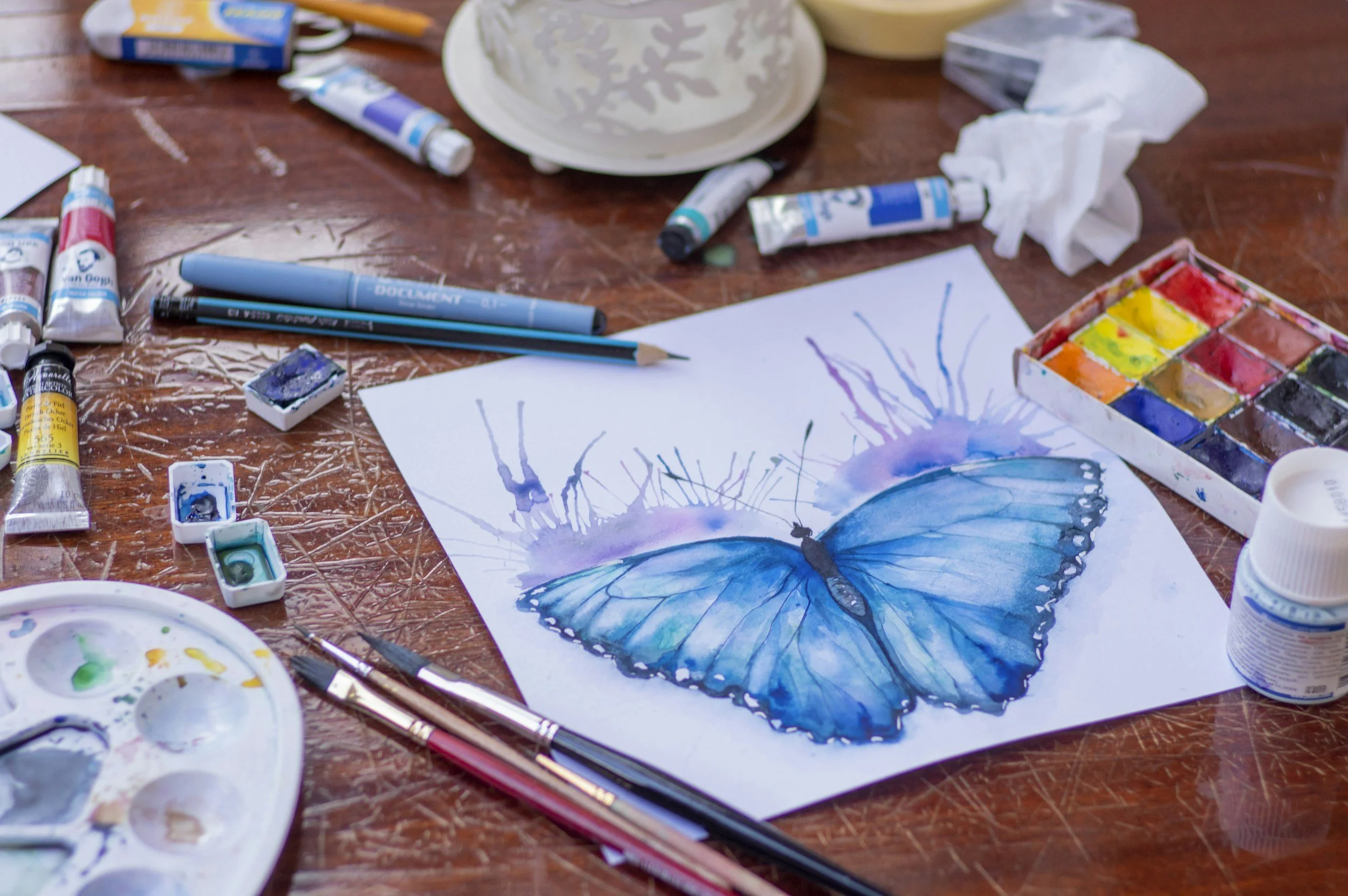
Painting (acrylic, watercolour, nature‑inspired)
Collage using natural farm materials (leaves, feathers, flowers)
Clay or air‑dry sculpture
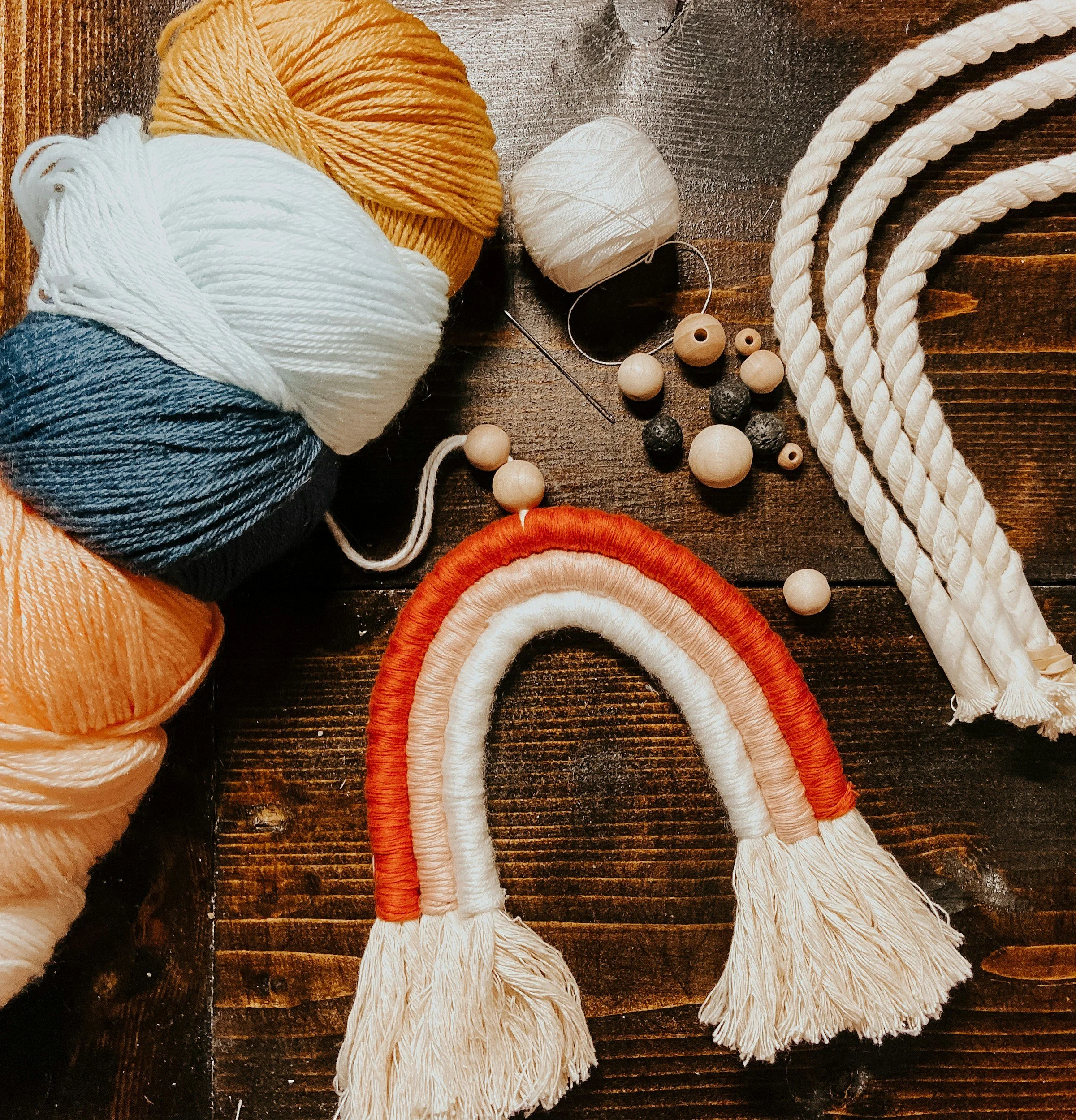
Beading, threading, or jewellery making
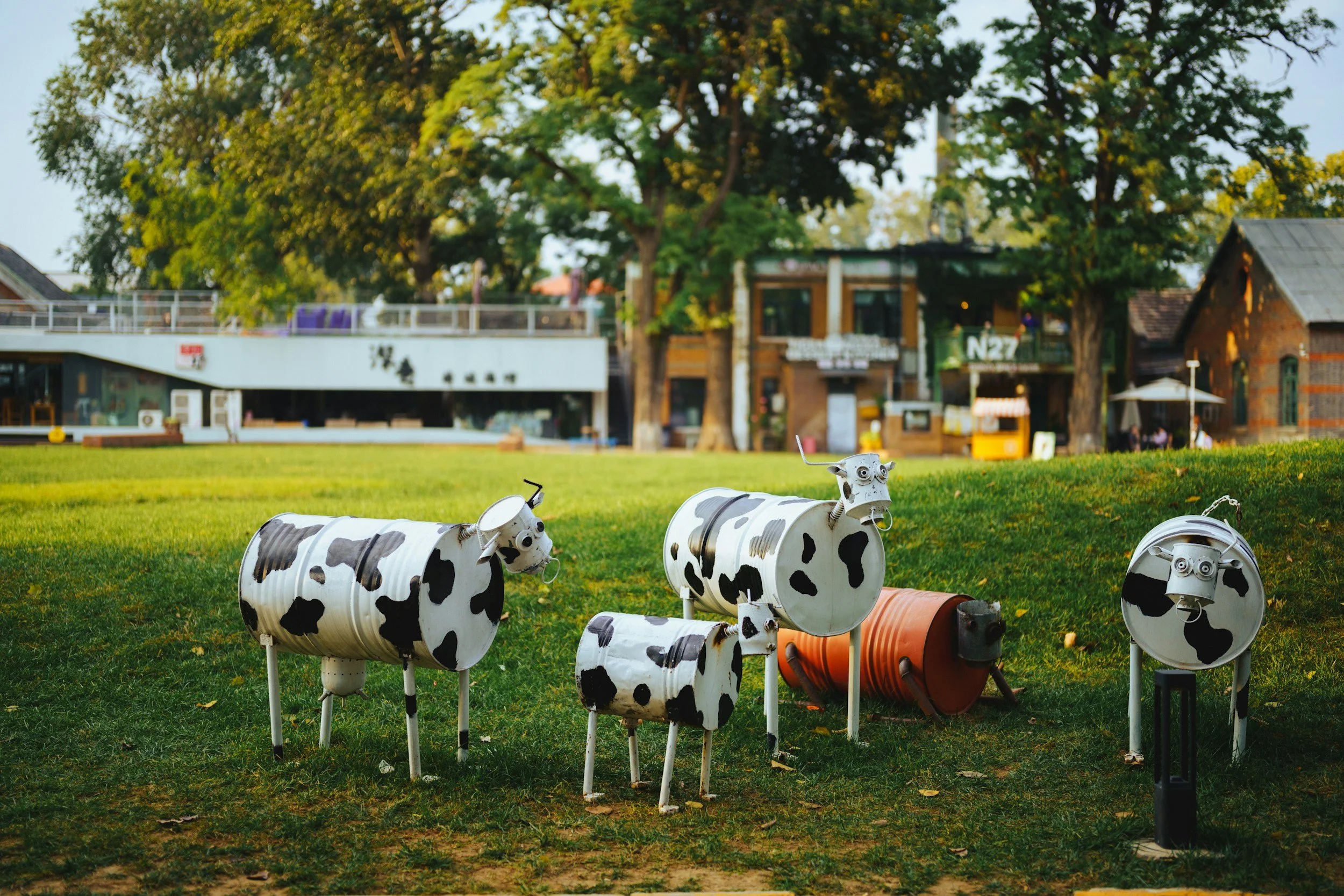
Seasonal crafts (farm animals, gardens, holidays)
Upcycling projects (decorating jars, wood slices, fabric scraps)
Skills developed: creativity, planning, fine‑motor skills, following instructions, confidence.
-
Calm, supervised downtime
Sharing ideas, chatting, or exploring materials
Sensory regulation before continuing
-
Participants share their artwork
Positive feedback from peers and staff
Discussion of what they enjoyed or found challenging
Planning next week’s project
-
Organising materials
Wiping surfaces
Practising responsibility and routine