Group Farm Skills & Social Capacity Program
NDIS Group‑Based Learning in a Supportive Rural Environment
PROGRAM OVERVIEW
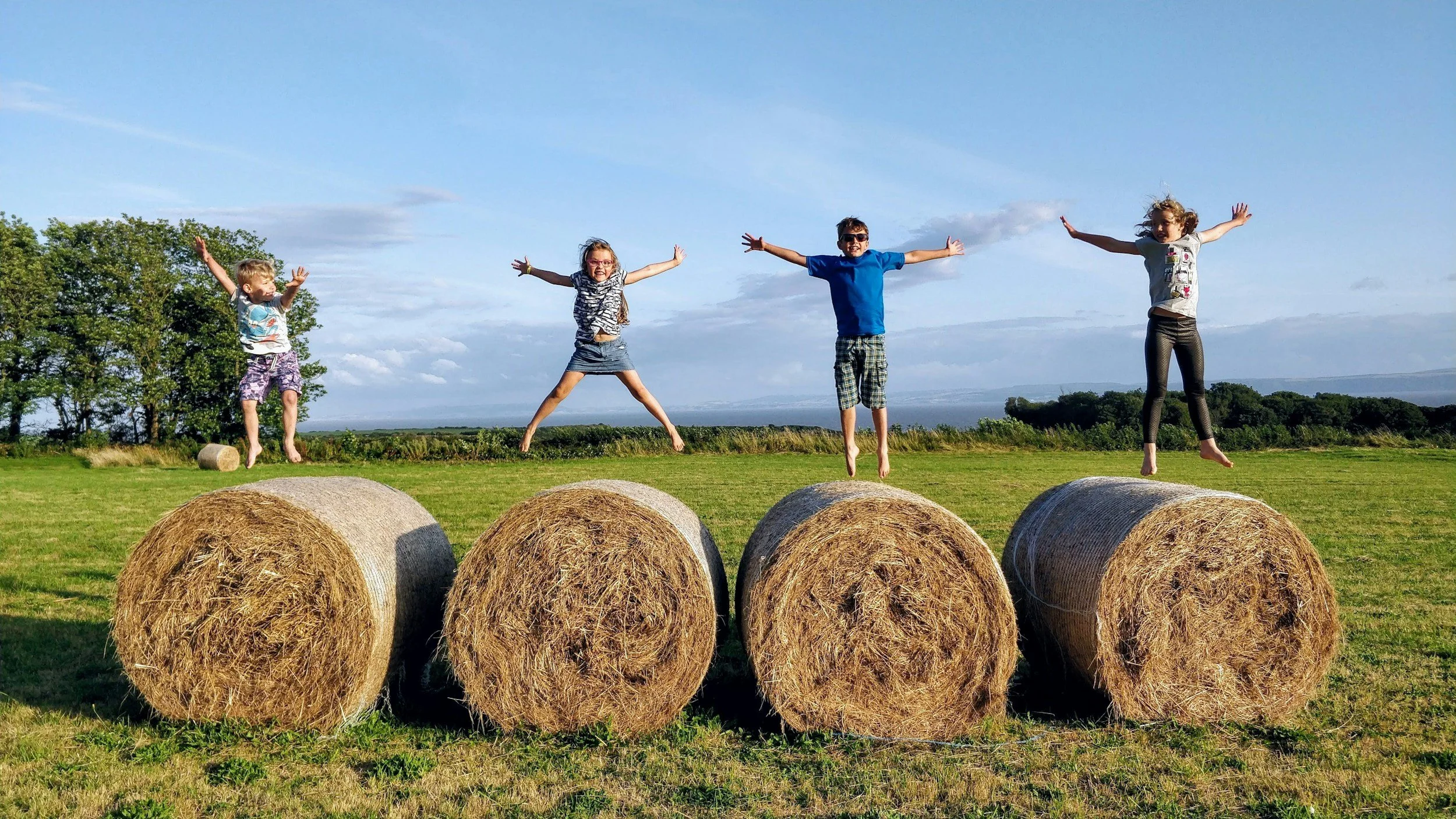
The Group Farm Skills & Social Capacity Program provides a supportive, structured farm environment where NDIS participants learn practical skills, build confidence, and develop social connections. Designed for mixed‑ability groups—including autistic participants, people with psychosocial disability, individuals with intellectual disability, and individuals with an all-terrain electric wheelchair — the program blends hands‑on farm activities with guided social interaction and teamwork.
Participants work together on meaningful tasks, supported by trained staff who model skills, encourage communication, and ensure safety.
-
Autistic participants who benefit from structure, predictability, and sensory‑friendly outdoor environments
Participants with psychosocial disability who need calm spaces, gentle pacing, and confidence‑building activities
Individuals with intellectual disability who thrive with modelling, repetition, and hands‑on learning
Anyone who enjoys animals, nature, and practical activities
-
Daily Living
Social & Communication
Health & Wellbeing
Community Participation
Emotional & Sensory Regulation
Confidence & Independence
Routine & Responsibility
Vocational Skills Development
-
All sessions are fully supervised by trained Support Workers experienced in disability support and animal care. Activities are adapted to ensure safety, comfort, and success for every participant.
-
Participants build real‑world skills, confidence, and independence while forming meaningful connections with animals, nature, and supportive staff. Each visit contributes to measurable progress toward NDIS goals in a positive, engaging environment.
-
On The Move Allied Health & Support are NDIS Registered
What Participants Learn
Emotional & Sensory Regulation
Calm outdoor environment ideal for sensory needs
Predictable structure to support emotional stability
Opportunities for grounding through animal interaction
Daily Living & Practical Skills
Following group routines and shared task lists
Completing farm tasks with teamwork and shared responsibility
Building independence through repetition and modelling
Health & Wellbeing
Light physical activity through farm work
Outdoor movement supporting fitness and mood
Mindful engagement with animals and nature
Social & Communication Skills
Practising turn‑taking and cooperative activities
Using clear communication during shared tasks
Building friendships and positive peer interactions
Developing confidence in group settings
Vocational Exposure
Understanding basic farm roles and teamwork
Practising work‑like behaviours (punctuality, cooperation, safety)
Exploring strengths and interests in a supported group setting
Session Structure (Group)
Group Size: up to 8 participants
Duration: 3 hours
Times: 10am to 1pm and 2pm to 5pm
Frequency: Any day of the Week (weekly or fortnightly)
Support Ratio: Group support 1:1, 1:2 or 1:3
-
Warm welcome and introductions
Quick wellbeing and sensory check
Overview of the session plan
Safety briefing and PPE (boots, hats, sunscreen, handwashing)
-
Participants work together on shared tasks such as:
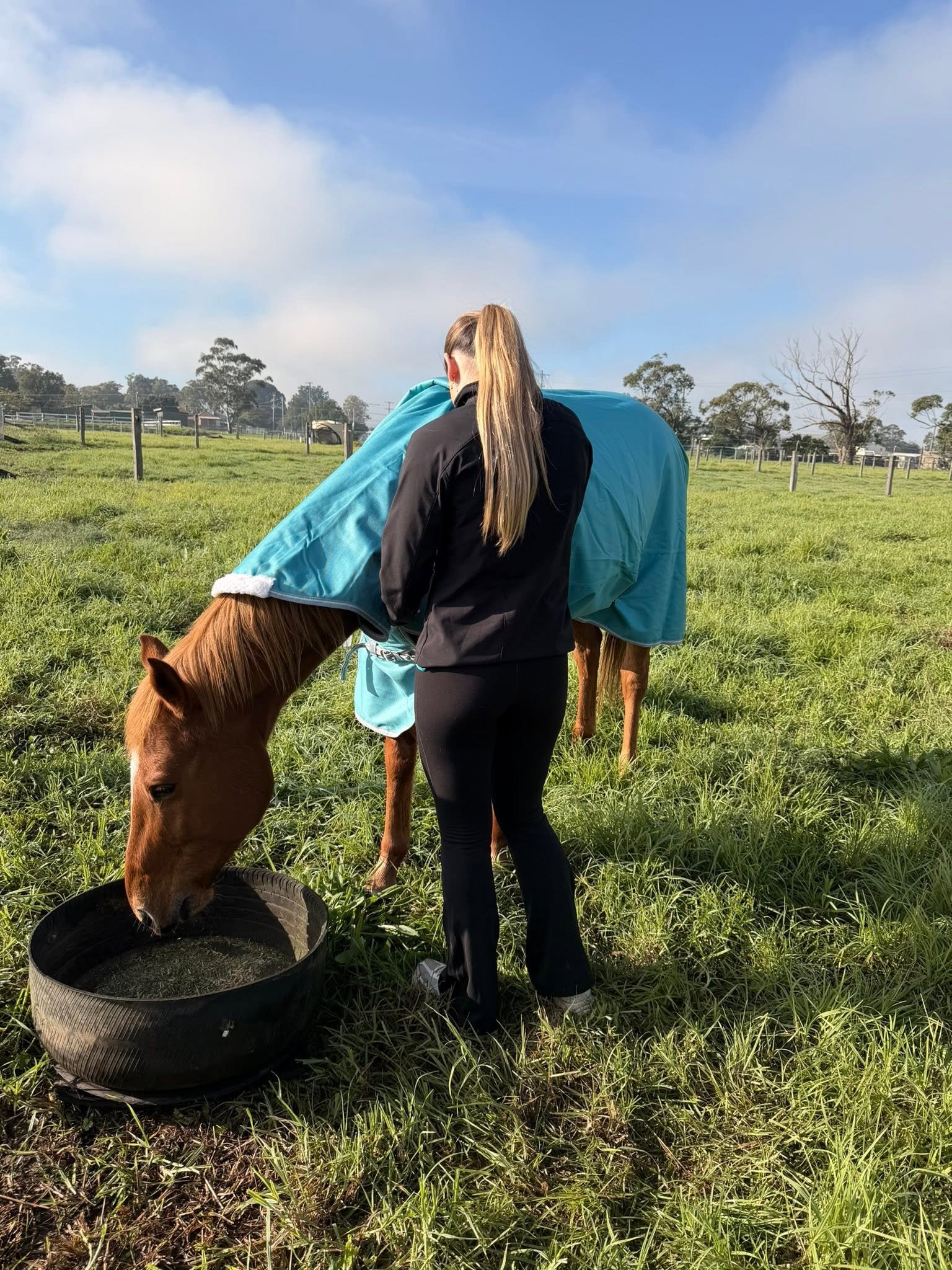
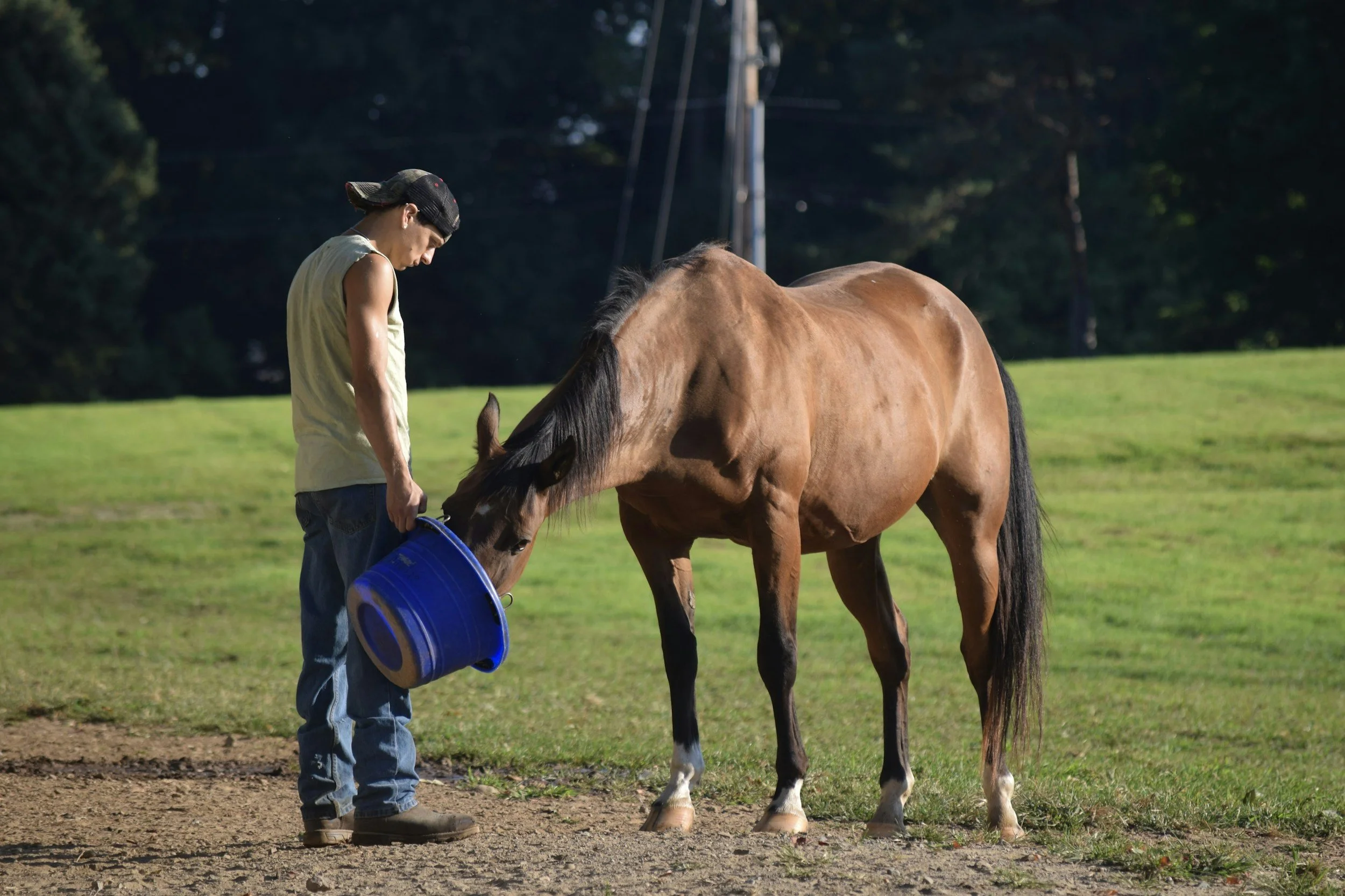
Feeding horses, sheep, alpacas, pigs, emu, and chooks
Checking water troughs
Collecting feed and preparing feed buckets
Gentle grooming or brushing (where appropriate)
Skills developed: teamwork, communication, responsibility, following instructions, confidence with animals.
-
Group rotates through simple, safe property tasks:
Watering plants or garden beds
Light weeding or planting
Sweeping shared areas
Tidying yards or collecting loose items
Basic tool use with supervision
Skills developed: cooperation, problem‑solving, motor skills, routine building, environmental awareness.
-
A structured activity focused on social and communication development, such as:
Turn‑taking games
Planning a task list together
Working in pairs to complete a small project
Practising asking for help or giving instructions
Confidence‑building conversations
Skills developed: social interaction, communication, emotional regulation, self‑advocacy.
-
A calm, supervised break where participants:
Sit together in a shaded area
Chat, share interests, or engage in a simple group activity
Regulate sensory needs before continuing
-
What the group achieved today
What each participant enjoyed or found challenging
Quick review of NDIS‑aligned goals
Planning one focus for the next session