Farm to Fork Cooking Program
From Paddock to Plate – Practical NDIS Skill‑Building
PROGRAM OVERVIEW
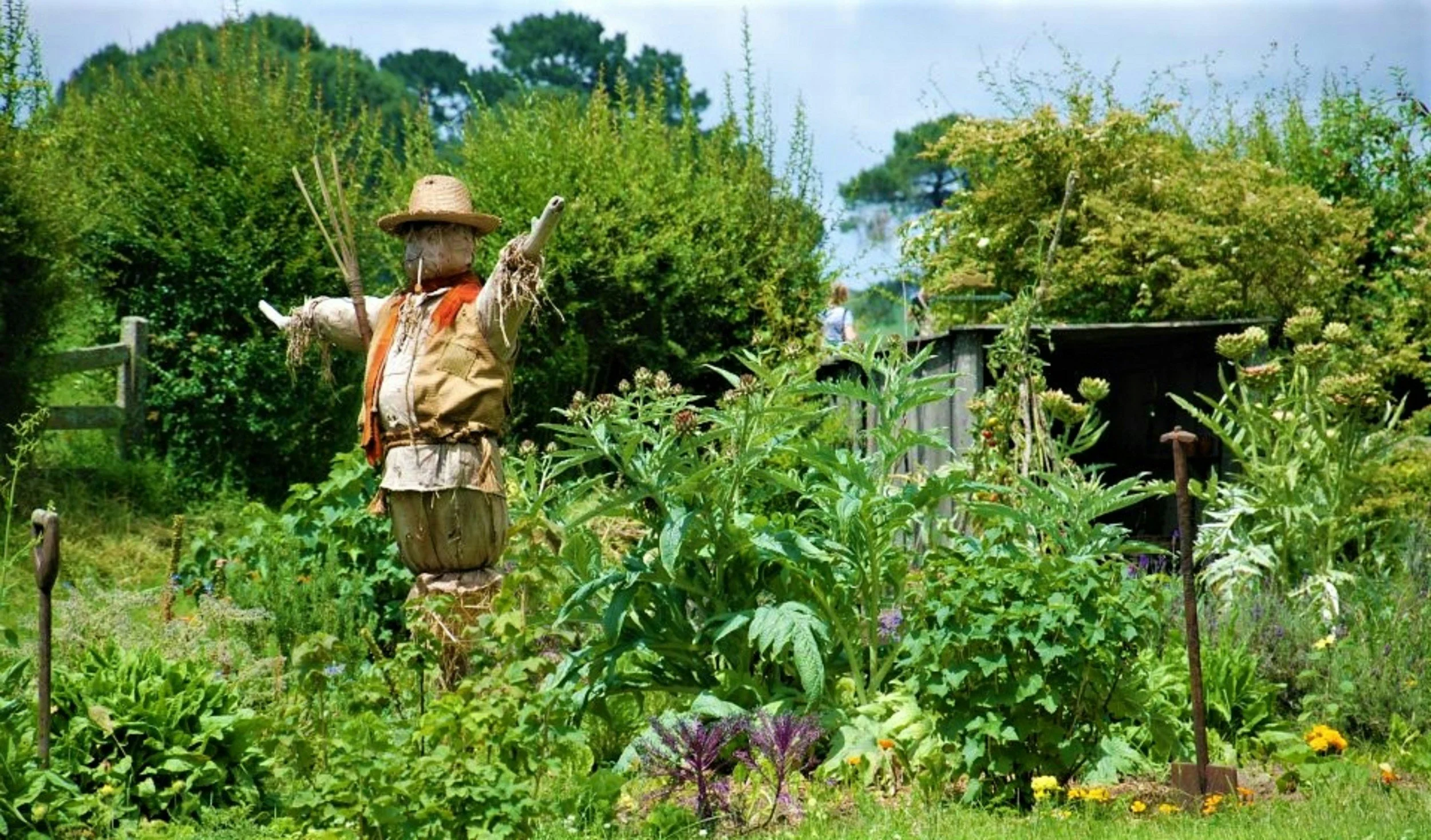
The Farm‑to‑Fork Program teaches participants how food is grown, harvested, prepared, and enjoyed. Designed for NDIS participants of all ages—including autistic individuals, people with psychosocial disability, and those with intellectual disability—the program blends hands‑on farm activities with simple cooking, nutrition education, and daily living skills.
Participants learn where food comes from, how to care for animals and gardens, and how to prepare basic meals using fresh farm produce. The program is calm, structured, sensory‑friendly, and highly practical.
-
Participants who enjoy hands‑on learning
Autistic individuals who benefit from structured, sensory‑friendly activities
People with psychosocial disability seeking confidence‑building routines
Individuals with intellectual disability who thrive with modelling and repetition
Anyone wanting to learn practical cooking and farm skills
-
Daily Living Skills
Social & Community Participation
Health & Wellbeing
Emotional & Sensory Regulation
Communication Skills
Confidence & Independence
Routine & Responsibility
Food Literacy & Healthy Habits
-
Sessions are supervised by trained Support Workers experienced in disability support, food safety, and farm care. All activities are adapted to ensure safety, comfort, and success for every participant.
-
Participants gain practical cooking skills, food confidence, farm knowledge, and independence while engaging in meaningful, enjoyable activities from paddock to plate.
-
On The Move Allied Health & Support are NDIS Registered
What Participants Learn
Farm & Garden Skills
Planting, watering, and caring for garden beds
Harvesting fruits, vegetables, herbs
Feeding and caring for farm animals
Understanding the farm‑to‑plate cycle
Food Literacy & Healthy Eating
Understanding where food comes from
Learning about fresh produce and seasonal foods
Making simple, healthy meals
Exploring new tastes and textures in a supported way
Social & Communication Skills
Working together to prepare meals
Sharing food and participating in group discussions
Practising turn‑taking and cooperation
Building confidence in a relaxed group setting
Daily Living Skills
Following steps in a recipe
Measuring, mixing, chopping (with safe supervision)
Cleaning up and organising cooking spaces
Building independence through routine and repetition
Health & Wellbeing
Light physical activity through gardening and farm tasks
Sensory regulation in a calm outdoor environment
Positive experiences with food and cooking
Session Structure (1:1 or Group)
Group Size: up to 8 participants
Duration: 3 hours
Times: 10am to 1pm and 2pm to 5pm
Frequency: Any day of the Week (weekly or fortnightly)
Support Ratio: 1:1 support or Group support 1:2 or 1:3
-
Welcome, wellbeing check, sensory needs
Overview of the day’s farm and cooking activities
-
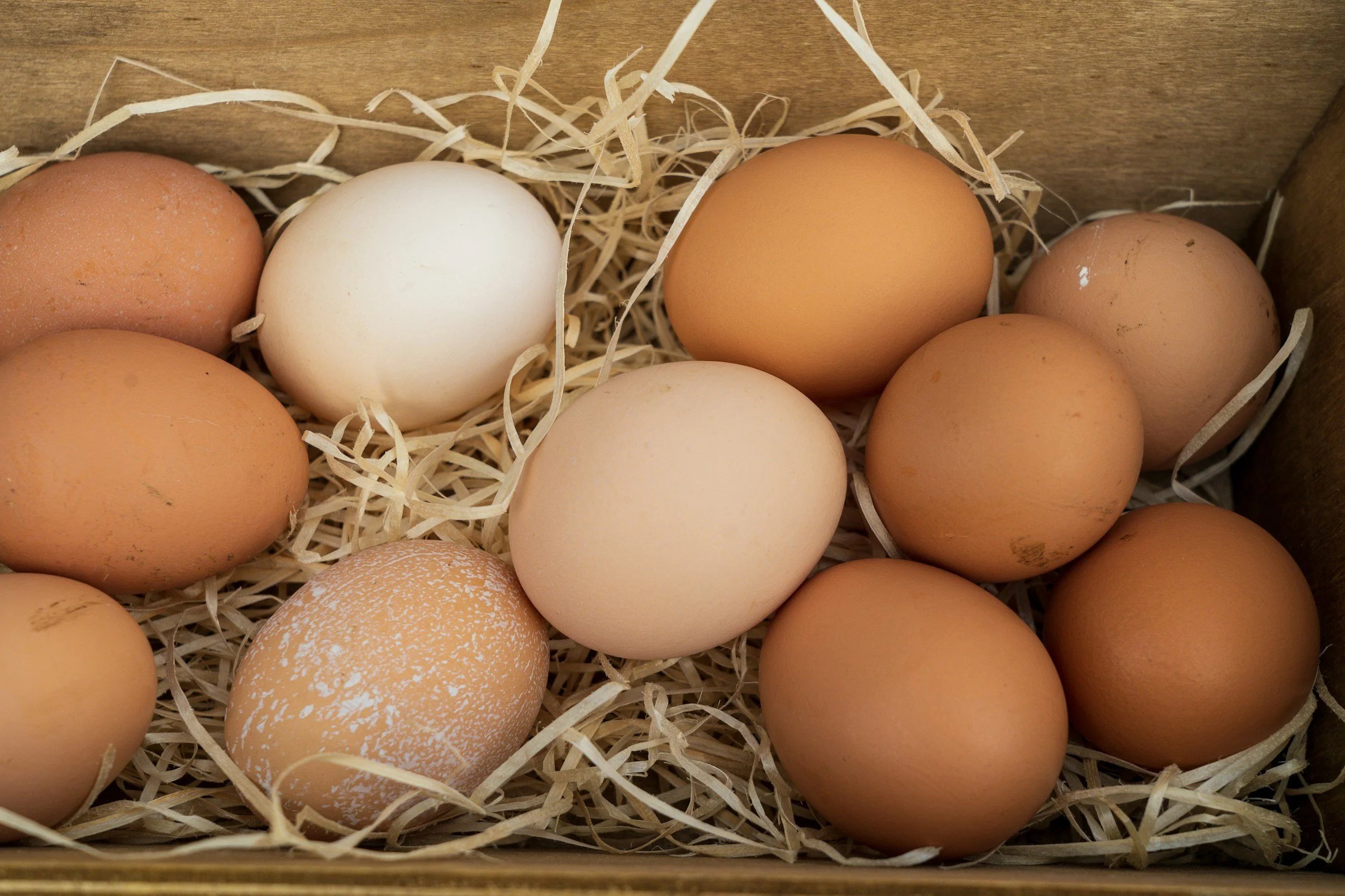
Collecting eggs
Harvesting vegetables, herbs, or fruit
Watering garden beds
Feeding animals or checking water troughs
-
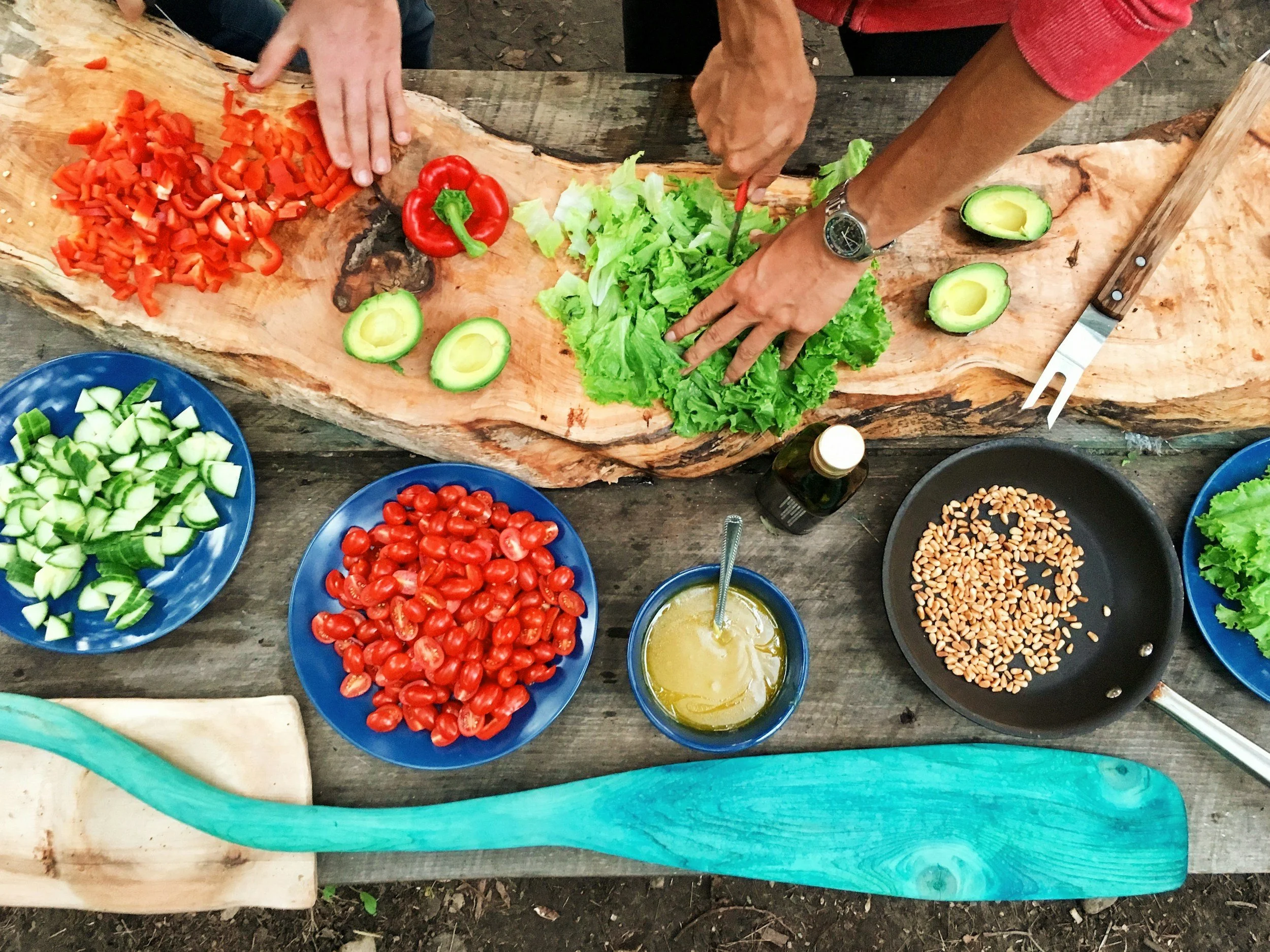
Washing and preparing fresh produce
Following a simple recipe
Making a snack or meal (e.g., wraps, salads, omelettes, herb butter, fruit bowls)
Practising safe kitchen skills with supervision
-
Eating together
Talking about flavours, textures, and preferences
Practising communication and social interaction
-
Cleaning cooking area
Packing away tools
Group reflection on what was learned
Planning next week’s recipe or garden task