1:1 Farm Skills & Capacity Building Program
PROGRAM OVERVIEW
The 1:1 Farm Skills & Capacity Building Program provides personalised, hands‑on support for NDIS participants of all ages, including those with autism, psychosocial disability, and intellectual disability. Sessions take place in a calm, structured farm environment designed to build confidence, routine, independence, and meaningful daily living skills.
Participants work alongside a trained Support Worker who provides step‑by‑step guidance, modelling, and encouragement while engaging in safe, purposeful farm activities.
-
Autistic participants who benefit from structure, predictability, and sensory‑friendly outdoor environments
Participants with psychosocial disability who need calm spaces, gentle pacing, and confidence‑building activities
Individuals with intellectual disability who thrive with modelling, repetition, and hands‑on learning
Anyone who enjoys animals, nature, and practical activities
-
Daily Living
Social & Communication
Health & Wellbeing
Community Participation
Emotional & Sensory Regulation
Confidence & Independence
Routine & Responsibility
Vocational Skills Development
-
All sessions are fully supervised by trained Support Workers experienced in disability support and animal care. Activities are adapted to ensure safety, comfort, and success for every participant.
-
Participants build real‑world skills, confidence, and independence while forming meaningful connections with animals, nature, and supportive staff. Each visit contributes to measurable progress toward NDIS goals in a positive, engaging environment.
-
On The Move Allied Health & Support are NDIS Registered
What Participants learn
Emotional & Sensory Regulation
Calm outdoor environment ideal for sensory needs
Predictable structure to support emotional stability
Opportunities for grounding through animal interaction
Daily Living Skills
Following routines and multi‑step instructions
Completing practical tasks with increasing independence
Building responsibility through animal and property care
Health & Wellbeing
Light physical activity through farm tasks
Sensory regulation in a calm, outdoor setting
Emotional regulation supported by predictable routines
Social & Communication Skills
Practising turn‑taking and cooperative activities
Using clear communication during shared tasks
Building friendships and positive peer interactions
Developing confidence in group settings
Vocational Exposure
Understanding basic farm and animal‑care roles
Practising work‑like behaviours (punctuality, task completion, safety)
Identifying strengths and interests for future pathways
Session Structure (1:1 Support)
Duration: 3 hours
Frequency: Weekly or fortnightly, as per plan and goals.
-
Greeting & safety check: Mood, pain, fatigue, sensory needs
Review goals for the day: e.g. “Today we’re focusing on feeding routines and following instructions”
PPE & safety: Boots, hat, sunscreen, handwashing, farm rules
-
Tasks:
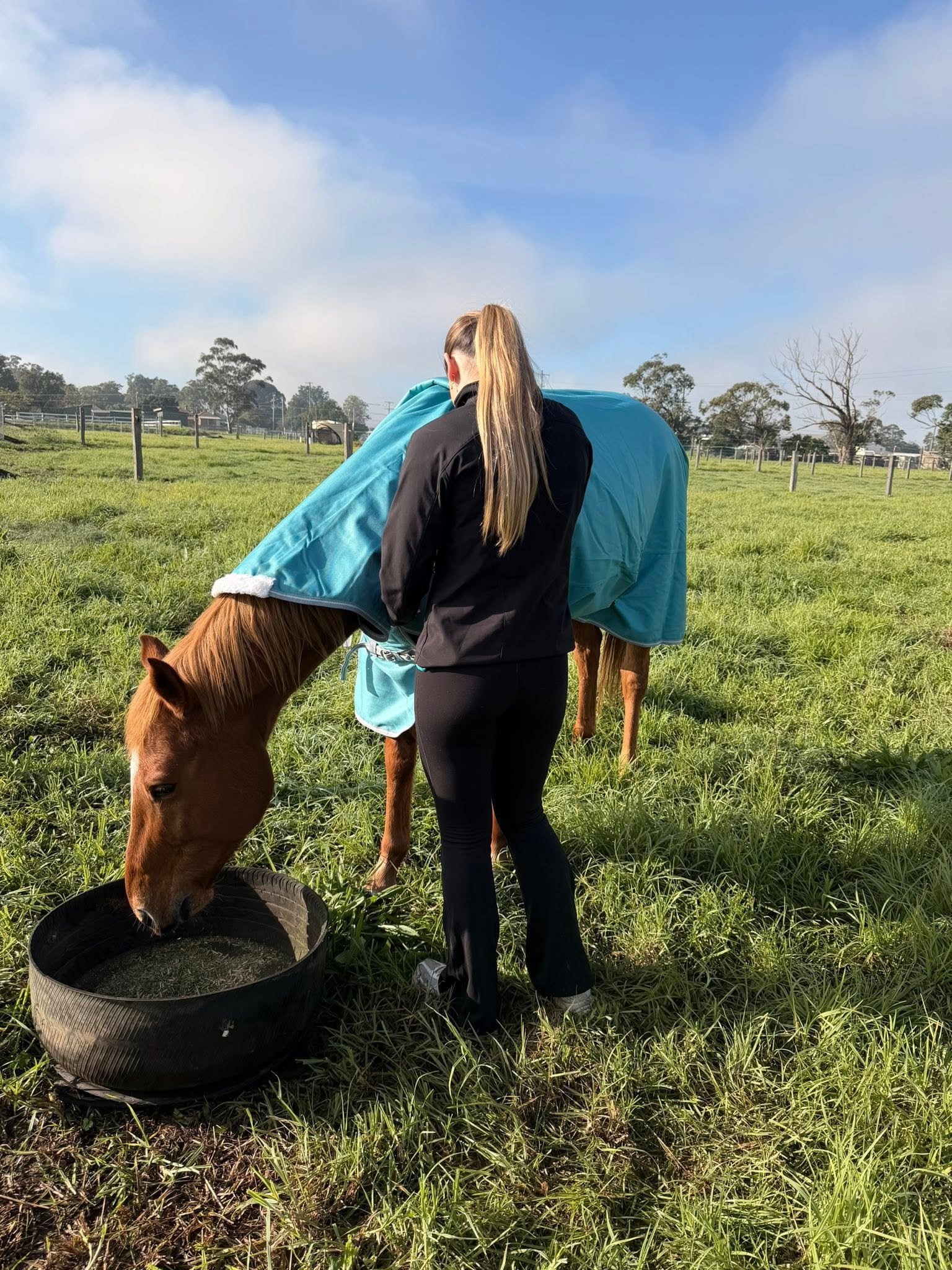
Feeding horses/animals following a visual or written schedule
Checking water troughs, sweeping stable areas, collecting feed
Skills targeted:
Following multi‑step instructions
Time management and routine
Gross motor skills, balance, and coordination
Responsibility and care for animals
-
Tasks:
Light gardening (weeding, watering, planting vegetable garden for Farm to Fork Program)
Tidying shared areas, basic tool use with supervision
Skills targeted:
Problem‑solving and planning (“What needs doing first?”)
Safety awareness around tools and uneven ground
Working towards work‑like stamina and pacing
-
Options (tailored to participant):
Communication: Asking for help, giving instructions, practising conversation
Executive functioning: Planning the next visit, making a simple checklist
Vocational exposure: Talking through what a “farm worker” or “animal attendant” does, matching tasks to strengths
Documentation: Support worker notes key achievements and challenges linked to NDIS goals.
-
Debrief: “What went well today?” “What was hard?”
Goal tracking: Update simple progress log or visual chart
Next steps: Agree on one focus for the next session